
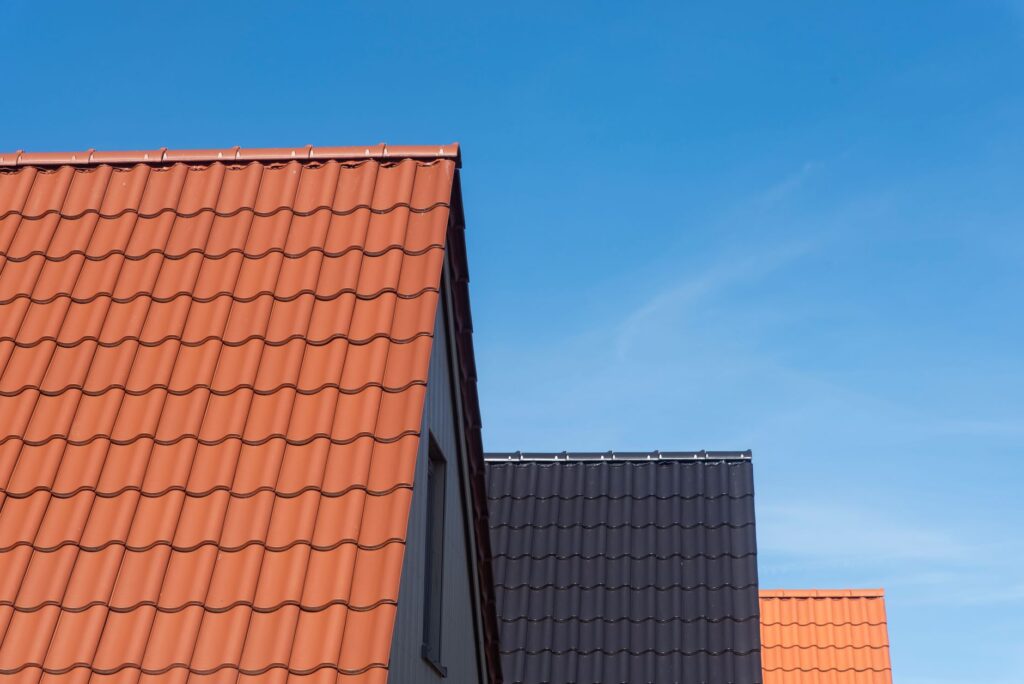
The material on your roof decides almost everything about how it fails and what it costs to fix. A cracked asphalt shingle is a different problem from a lifted metal panel, and neither is repaired the way you would patch a slate tile. Before you can judge a repair quote or plan for the expense, it helps to know what covers most Murfreesboro homes and how each type behaves as it ages.
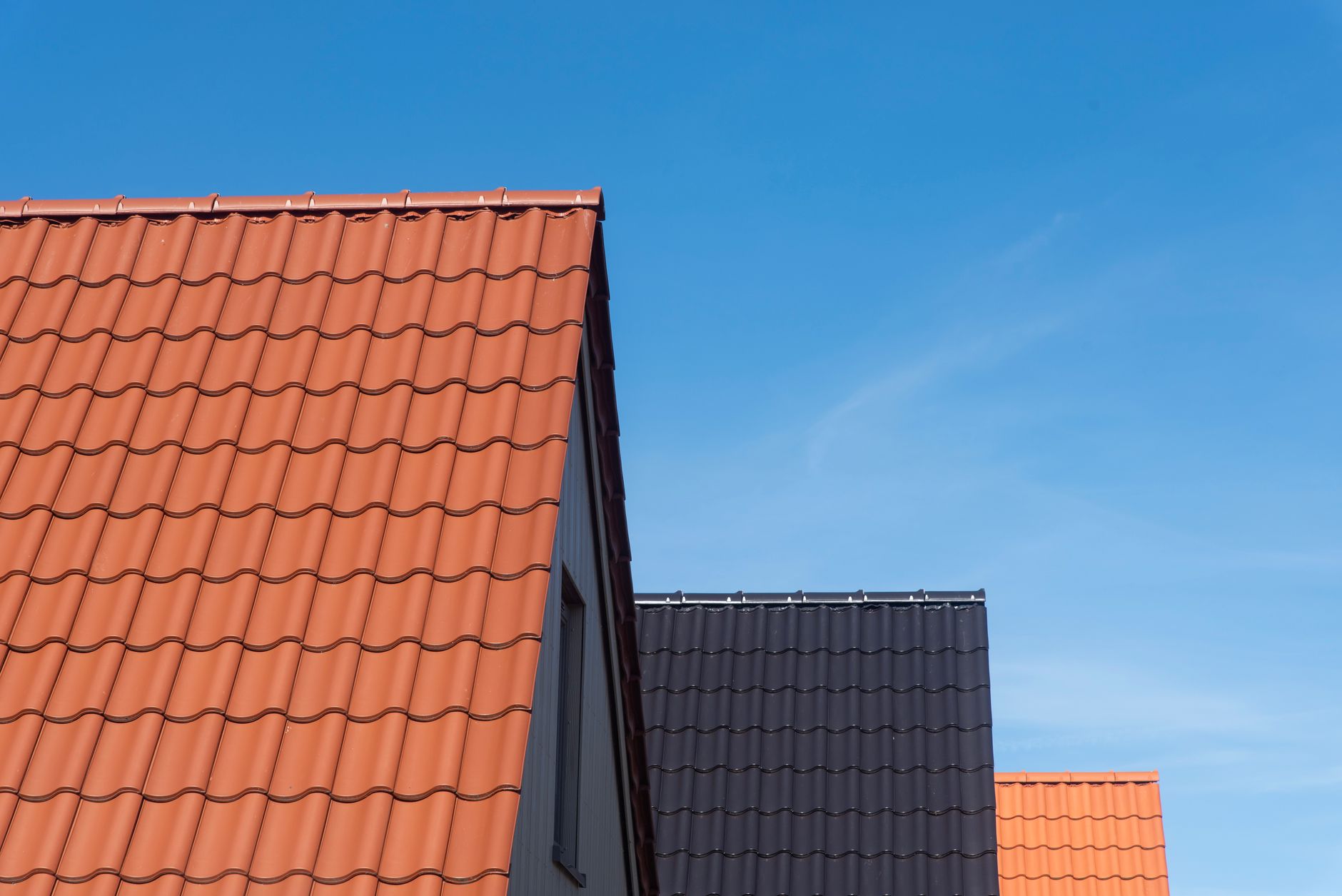
Common Local Materials
Asphalt shingles dominate residential roofs across Rutherford County, and for good reason. They are affordable, widely stocked, and handle the region’s mix of summer heat and winter freeze reasonably well. Most newer subdivisions use architectural asphalt shingles, which are thicker and last longer than the flat three-tab style found on older houses.
Beyond asphalt, you will see a fair number of standing-seam and corrugated metal roofs, especially on rural properties and newer custom builds. Metal reflects heat and sheds water quickly, which suits the local climate. Less common but still present are concrete or clay tile, wood shakes on a handful of older homes, and synthetic composites made to imitate slate. Each of these carries its own price and its own maintenance rhythm, and knowing which one you have narrows down what any future repair will involve.
Damage Patterns By Type
Asphalt shingles tend to fail in predictable ways. Wind lifts and tears them at the edges, hail bruises the surface and knocks off the protective granules, and years of sun make them brittle so they crack and curl. When granules wash into the gutters in quantity, the shingles are near the end of their service life. Because asphalt is so common here, most repair crews see these problems constantly, which is part of why a search for roof repair murfreesboro tn turns up so many providers who work on shingles day in and day out.
Metal roofs fail differently. The panels themselves last decades, so trouble usually starts at the fasteners and seams. Screws back out over time, rubber washers dry and shrink, and the small holes they leave behind let water in. Loose or oil-canning panels can also let wind get underneath. Tile roofs rarely wear out but crack from impact or foot traffic, and the underlayment beneath them ages faster than the tile itself. Wood shakes are prone to rot, splitting, and moss in shaded, damp spots. The lesson is that each material has a weak point, and inspections should target that weak point rather than looking for one generic kind of damage.
Matching Repairs Correctly
A good repair respects the material it is fixing. On asphalt, that means finding replacement shingles that match the existing color and profile, which gets harder as a roof ages and the original shade fades or the product is discontinued. On metal, it means using the correct fasteners and compatible sealants rather than smearing on whatever caulk is handy, since the wrong product can react with the coating and make things worse.
Tile and slate repairs demand patience and matching stock, because forcing an ill-fitting piece or walking carelessly across the field breaks more than it fixes. Mixing materials is another quiet source of trouble: dissimilar metals in contact can corrode, and a patch that traps moisture against an older surface shortens the life of everything around it. This is why an honest local contractor will often recommend addressing a whole slope rather than a single tile when the surrounding material is already worn.
The practical next step is simple. Walk outside, identify which of these materials is actually on your home, and note its age and any obvious wear. With that in hand, you can talk to a roofer in specific terms and get a repair matched to what your roof is, not to a one-size-fits-all guess.