
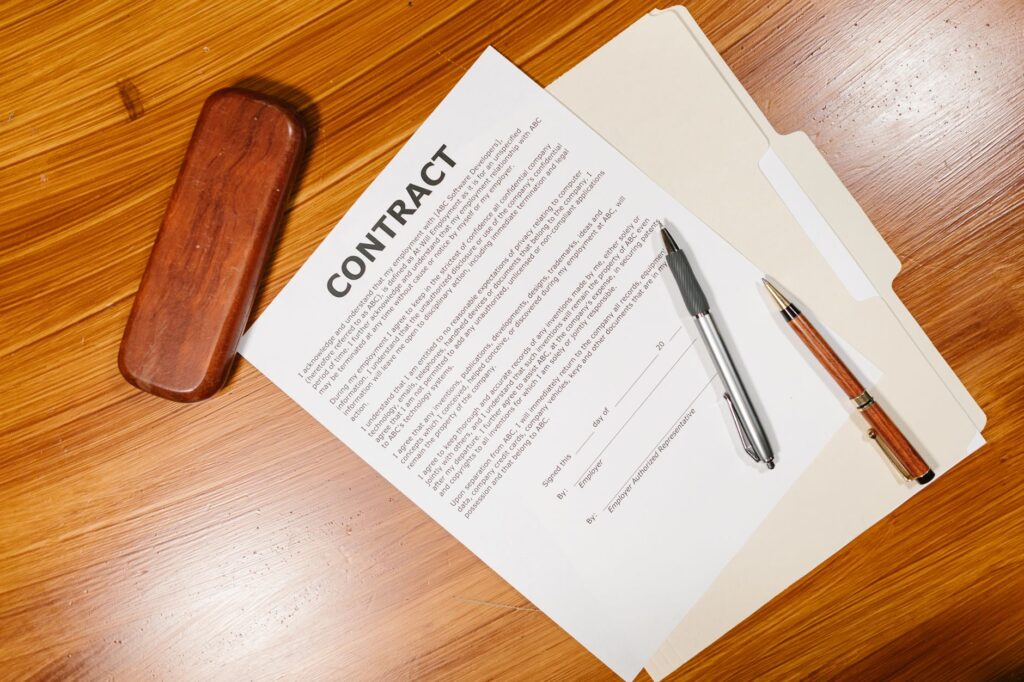
The first time, the whole arrangement fit on a single sheet of notebook paper: a price, a start date, and a phone number. The second time, before a single tool came out of a truck, there was a folder — license copies, a certificate of insurance with an agent’s direct line, and a signed scope that ran three pages. Same homeowner, same kind of kitchen, roughly the same budget. What changed was everything that happened before the work began, and it changed because the first project ended in a lawyer’s office instead of a housewarming.
The First Renovation Trust vs. The Second Renovation Suspicion
On a first renovation, trust is the default setting. The contractor was recommended by a neighbor, showed up on time to the estimate, and talked confidently about tile and cabinet runs. That felt like enough. Nobody wants to treat a friendly professional like a suspect, and asking for documents seems almost rude when the vibe is good.
The second time around, suspicion is the default — not paranoia, just a refusal to let charm stand in for proof. A good handshake and a stack of glowing references still count for something, but they sit next to the paperwork rather than replacing it. The shift isn’t cynicism. It’s the memory of writing a check that was never really protected.
A Verbal Promise vs. A Certificate You Can Call and Confirm
“Oh, I’m fully covered, don’t worry about it.” That sentence cost a lot the first time. It sounded reassuring and meant nothing, because a promise about insurance is not insurance. When a worker was hurt on that first job and the policy turned out not to exist, the homeowner discovered how quickly a verbal assurance evaporates.
Now the standard is a certificate of insurance sent directly from the insurer or agent — not a photo the contractor took of a document, but a paper with a policy number, coverage dates, and a phone number that actually connects to the carrier. A five-minute call confirming the policy is active turns a hopeful claim into a verified fact.
Skimming a Quote vs. Cross-Checking License Numbers and Expiry Dates
The naive version of reading a quote is scanning for the total and the timeline. The disciplined version reads the fine print: the license number printed at the bottom, whether that number is current, and whether the name on the license matches the name on the contract. License boards keep this information public for exactly this reason, and it takes only a few minutes to look up whether a number is real, active, and free of unresolved complaints.
Expiry dates matter more than people expect. A license that lapses mid-project, or coverage that expires before the job wraps, leaves the same gap that caused trouble the first time.
The Contractor Who Stalls vs. The One Who Hands Everything Over
There’s a tell that only becomes obvious after you’ve been burned once. Ask for documents, and one contractor gets vague — “I’ll send it over later,” then later never comes, then it’s on the truck, then the office has it. Another contractor hears the same request and forwards the whole folder within the hour, almost glad to be asked.
That difference in response is itself information. Professionals who carry proper coverage treat the paperwork as a normal part of doing business, because it is. The stall is rarely an accident.
Discovering a Fake Insurance Slip vs. Knowing What Vetting a Builder’s Paperwork Actually Proves
The hardest lesson from the first job was that a document can look completely legitimate and still be worthless. The slip handed over had a logo, a policy number, and a date range — and it was expired, possibly forged. Guides on vetting a builder’s paperwork make the point plainly: a paper you never verify proves nothing. What real vetting confirms is narrower and more useful — that a specific policy is active today, that the bond exists and covers the right amount, and that the license belongs to the person standing in your driveway. Anything short of confirmation is just a nicely printed guess.
The Rushed Signature vs. The Waiting Period That Saved Thousands
The first contract got signed in a hurry because the good ones book up fast and the contractor needed a deposit to hold the slot. The second contract sat unsigned for two days while calls were made and numbers were checked. Those two days revealed a lapsed policy on one bidder and a clean record on another. In this corner of Southern California, where renovation demand keeps schedules tight, that short pause felt like a risk. It saved thousands in what could have become an out-of-pocket liability claim.
The lesson worth keeping:
• Get every document directly from the insurer or licensing board, not the contractor’s phone.
• Confirm dates are current for the full length of the job.
• Treat a stall as a warning, not a scheduling quirk.
• Never let a booking deadline rush your review.